As Canada implements the Building Canada Act, the landscape for nationally significant infrastructure and economic development is shifting. Increasingly, the pace, certainty, and long-term success of major projects are influenced by how Indigenous leadership is engaged from the outset. The Indigenous Advisory Council was established to bring First Nations, Métis, and Inuit perspectives into federal major project processes at an early stage, reflecting a broader shift in how partnership and economic participation are understood across the country.
Join Canadian Club Toronto on March 11 for a timely discussion with senior Indigenous leaders who are members of the Indigenous Advisory Council. Speaking from their experience and leadership, they will offer perspectives on the evolving role of Indigenous engagement in major projects, what responsible development looks like in practice, and how governments, proponents, and investors can navigate this environment with greater clarity and respect.
The conversation will be moderated by Katherine Koostachin, Vice President, Indigenous Relations and Reconciliation, Sussex Strategy Group, with panelists:
Kluane Adamek – Indigenous Advisory Council Member
Vanessa Doig – Assistant Director of the President’s Department of Makivvik
JP Gladu – Founder & Principal, Mokwateh
Lorne Pelletier – Senior Economic Advisor, Manitoba Métis Federation
The Event Has Concluded
Thank you for attending the event! The livestream has ended, but we hope you found the session informative and engaging.
If you have any further questions or need additional information, please don’t hesitate to reach out to the event organizer. They will be happy to assist you with any inquiries you may have.
We appreciate your participation and look forward to seeing you at future events!
For more information, contact the organizer directly through the provided channels.
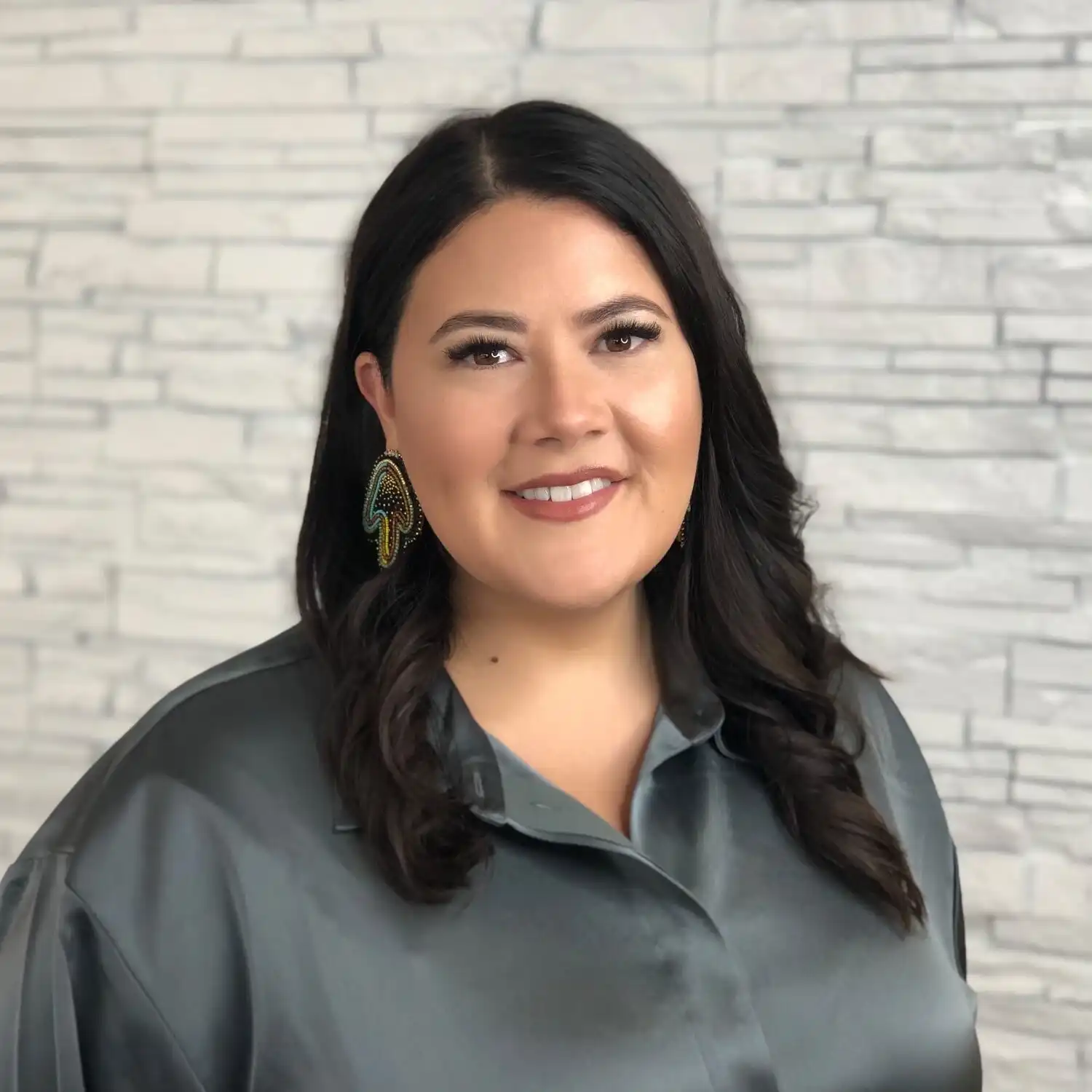
Kluane Adamek, MBA, ICD.D – Aagé (she/her) is a citizen of Kluane First Nation and honours the Matriarchs who welcomed her into the Dakl’aweidi (Killer Whale) Clan. Based in Whitehorse, Yukon, her work is grounded in strong governance, relationship-building, and long-term systems thinking. Guided by the teachings of her grandparents — to stay grounded, be consistent, and never compromise integrity — she brings humility, rigor, and accountability to her leadership.
Kluane served as the Assembly of First Nations Yukon Regional Chief from 2018–2025, where she helped advance a national First Nations climate strategy and contributed northern and Indigenous perspectives to national and international policy discussions. She currently serves on the Indigenous Advisory Council to the Major Projects Office and as a Trustee for the Kluane First Nation Trust. Across her work, Kluane focuses on inclusive decision-making, durable partnerships, and governance approaches that support long-term economic and community outcomes.
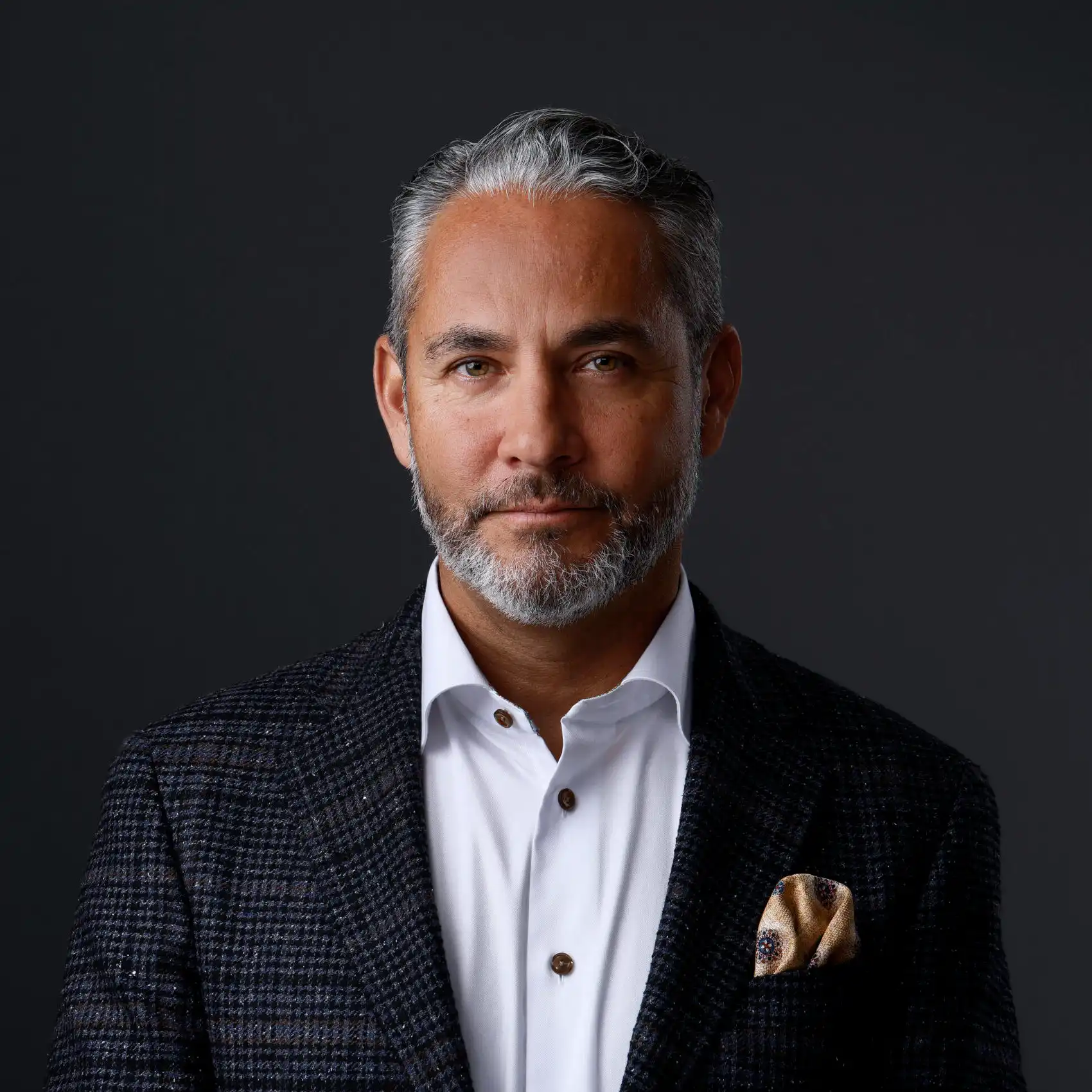
JP Gladu is the Principal of Mokwateh and is dedicated to creating innovative partnerships and solutions that unlock equitable opportunities for Indigenous and non-Indigenous business communities. An Anishinaabe leader from Sand Point First Nation on Lake Nipigon, Ontario, JP brings 35 years of experience in the natural resource sector, working with Indigenous communities and organizations, environmental non-government organizations, industry, and governments across Canada and internationally.
JP completed a forestry technician diploma from Sault College and an undergraduate degree in Forestry from Northern Arizona University. He holds an Executive MBA from Queen’s University and an ICD.D designation from the Rotman School of Management at the University of Toronto. He has been recognized with an Honorary Doctor of Laws from Carleton University (2024) and an Honorary Doctor of Commerce from Lakehead University (2025).
He currently serves on the boards of Suncor and Superior Plus. He also sits on Domtar’s Sustainability Committee, BHP’s Forum for Corporate Responsibility, and the Major Projects Office Indigenous Advisory Committee. He previously served on the boards of Broden Mining, First Nations Major Projects Coalition Advisory Centre, the Institute for Corporate Directors, Ontario Power Generation and Noront Resources and is the past Chair of the Mikisew Group of Companies. JP is a senior fellow with the Macdonald-Laurier Institute and served as Chancellor of St. Paul’s University College at the University of Waterloo from 2017 to 2020. From September 2012 to April 2020, he served as President and CEO of the Canadian Council for Indigenous Business (CCIB). His leadership has been recognized by the Public Policy Forum as a 2024 Honouree and through the 2024 Premier’s Award for outstanding Ontario college graduates in business.
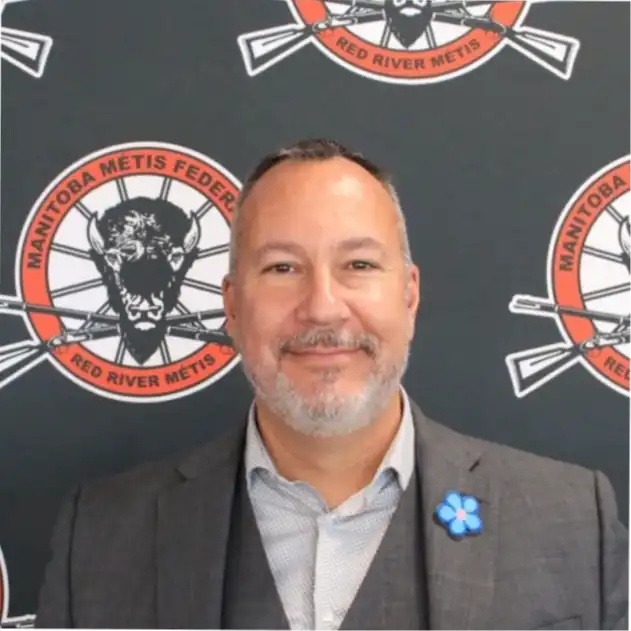
Lorne Pelletier is a Senior Economic Advisor at the Manitoba Métis Federation, a position held since 2021. Previously, Lorne held multiple roles, including Director General of Operations at Western Economic Diversification Canada from 2017 to 2021 and Director of Operations for the Manitoba Region at Citizenship and Immigration Canada from 2009 to 2013. Lorne also served as an Executive in Residence at the University of Winnipeg in 2016-2017. Lorne graduated with a Bachelor of Arts in Canadian Studies from the University of Manitoba in 2000 and participated in the Governor General’s Canadian Leadership Conference starting in 2015.
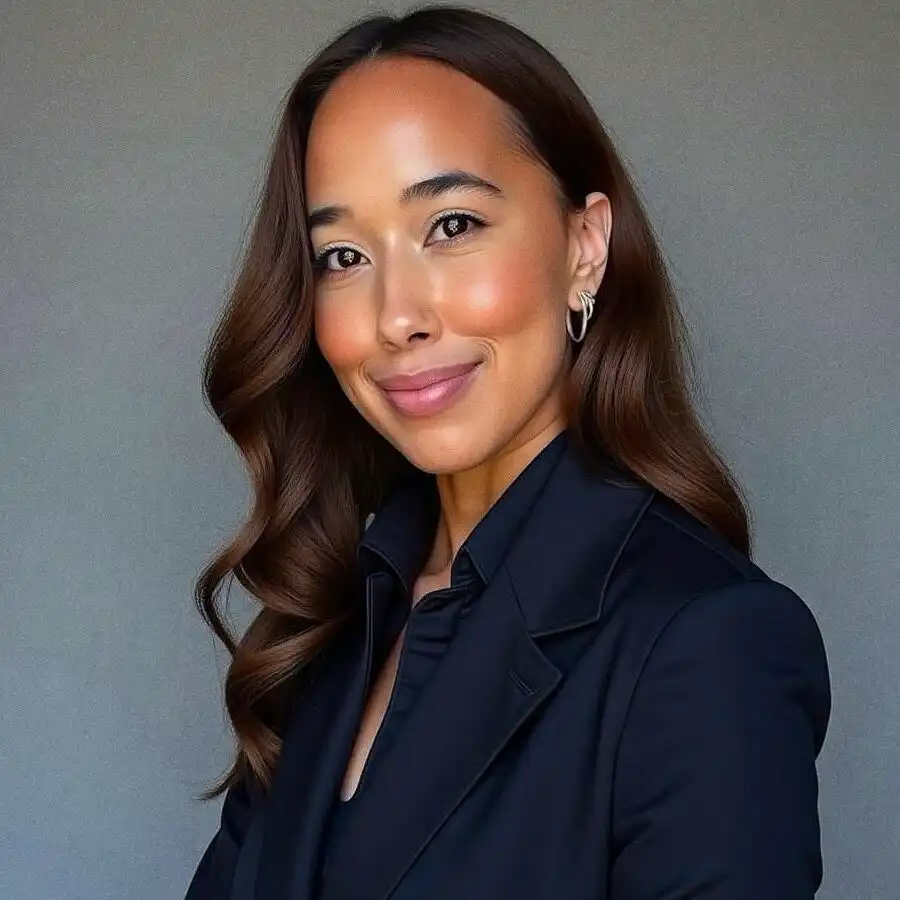
Vanessa Doig is the Assistant Director of the President’s Department of Makivvik, the Inuit Treaty Organization representing the northern region of Nunavik. As an Inuk from Nunavik herself, Vanessa holds the mandate for the organization’s federal files, including multiple portfolios on infrastructure projects and programs. In recent years, Vanessa has managed the implementation of key federal programs such as the Indigenous Community Infrastructure Fund (ICIF), which saw projects such as arenas, youth centers, and sports complexes built in the communities of Nunavik. She also works on projects in urban areas as well, including the current implementation of a women’s shelter in Montreal. In her everyday role, Vanessa leads multiple teams working on major projects for Makivvik, while also maintaining strong relationships with the other three Inuit Treaty Organizations of Canada (Nunatsiavut Government, Nunavut Tunngavik Incorporated, Inuvialuit Regional Corporation), and national Inuit organizations as well (Inuit Tapiriit Kanatami, Inuit Circumpolar Council Canada, Pauktuutit Women of Canada).
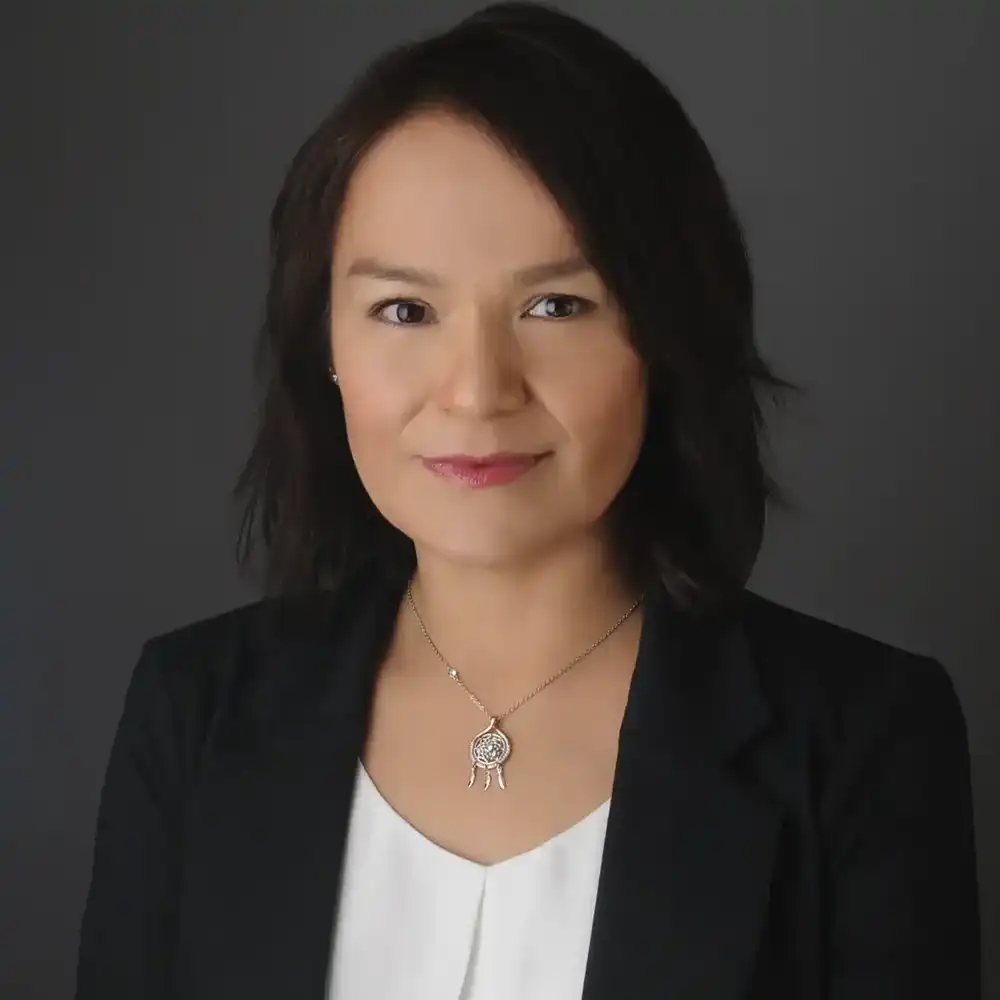
Katherine Koostachin, LL.B, is an experienced leader in Indigenous relations and public policy, bringing more than two decades of expertise at the top levels of federal decision-making in Canada. She is recognized for guiding complex, high-stakes files at the intersection of Indigenous rights, major project development, environmental and regulatory approvals, and national policy, turning politically sensitive challenges into executable decisions and durable outcomes.
Katherine served as Senior Advisor to the Prime Minister of Canada on Indigenous Policy andLitigation, advising on Cabinet-level decisions involving multi-billion-dollar settlements, complex litigation, and the federal implementation of the United Nations Declaration on the Rights of Indigenous Peoples Act (UNDA). She helped advance national reconciliation priorities while ensuring federal decisions were legally sound, fiscally responsible, and operationally achievable.
Throughout her career, Katherine has held senior roles supporting the federal Ministers responsible for Environment and Climate Change, Indigenous Services, and Natural Resources, shaping Canada’s approach to impact assessments, major resource and energy project approvals, and Indigenous partnership frameworks. She brings deep expertise in regulatory systems, risk management, Cabinet decision-making, and stakeholder strategy, aligning Indigenous rights and priorities with government processes and industry realities to move complex projects and settlements from concept to implementation.
Now Vice President of Indigenous Relations & Reconciliation at Sussex Strategy Group, Katherine advises boards, executives, investors, and Indigenous governments on projects of national and strategic importance, including multi-billion-dollar mining, energy, and infrastructure developments. Her work focuses on building durable Indigenous partnerships that advance self-determination, equity participation, and long-term economic prosperity, ensuring development proceeds through shared decision-making and lasting community benefit.
A trained lawyer with experience in Aboriginal, environmental, and natural resources law, Katherine’s legal foundation informs her practical, solutions-oriented approach to reconciliation, grounding her work in a strong understanding of rights frameworks, regulatory systems, and the agreements that underpin successful partnerships.
A proud Mushkegowuk Cree from Attawapiskat First Nation, Katherine brings lived experience and senior leadership to advancing Indigenous rights, building partnerships, and driving responsible economic development that delivers tangible outcomes for communities and projects alike.